
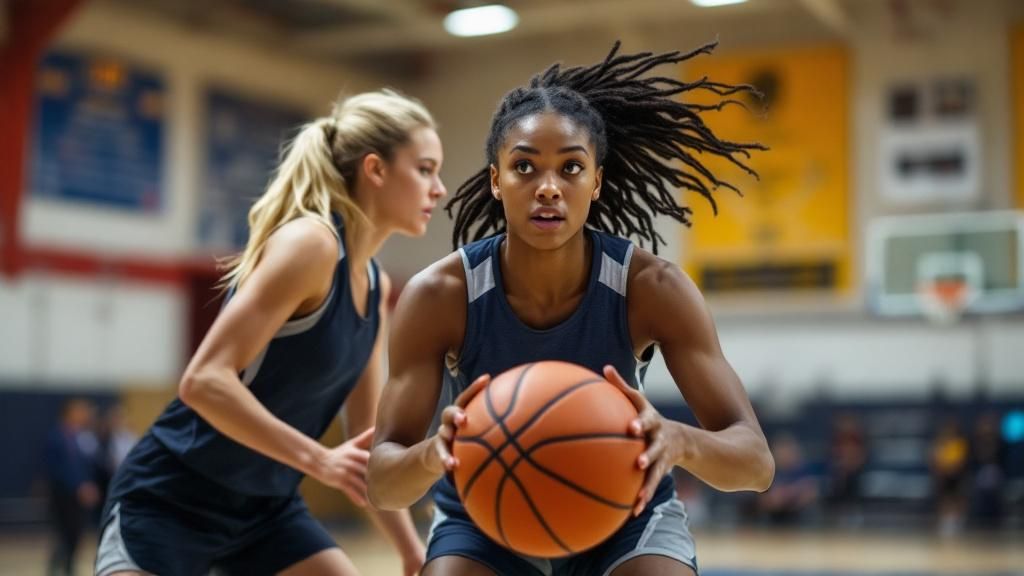
Women’s basketball in the United Kingdom is witnessing an unprecedented surge in participation, with historically high levels of girls and women taking to the courts in educational institutions and local facilities nationwide. This remarkable growth indicates shifting attitudes towards female sport, increased investment in youth development schemes, and the inspiring impact of elite British players on the global stage. From young pupils taking up basketball for the very first occasion to seasoned players playing at the highest standard, this article explores the underlying reasons behind this shift in basketball culture and what it means for the advancement of women in sport in the UK.
Increasing Engagement Levels in Schools
Secondary schools throughout the United Kingdom have reported significantly increased participation in girls’ basketball programmes over the past three years. Physical education departments have experienced exceptional interest for basketball clubs, with many institutions now running multiple teams to cater for eager participants. This surge reflects growing recognition of basketball as an accessible, engaging sport that develops essential skills including teamwork, coordination, and strategic thinking. The expansion has been particularly notable in urban areas, though rural schools are progressively establishing programmes to support their communities.
Primary schools have similarly embraced basketball, bringing the sport to junior pupils through structured coaching and recreational play. Many schools have incorporated basketball into their physical education programmes, ensuring all pupils acquire foundational experience with the game. This initial introduction has been crucial in creating a consistent flow of players progressing to secondary level competition. Schools note that basketball’s welcoming approach appeals to girls of varying athletic abilities, fostering confidence and participation amongst previously inactive students.
Resources allocated to Facilities and Coaching
Educational institutions have allocated significant funding for upgrading basketball facilities, installing new courts and enhancing current facilities across the country. Local authorities and sports councils have offered financial support to support these developments, recognising basketball’s potential to engage young people in active pursuits. Schools have prioritised accessibility, ensuring facilities cater to both elite athletes and leisure users. This infrastructure investment shows institutional dedication to maintaining long-term programme growth and providing quality experiences for participants.
Hiring and development of certified coaching professionals has emerged as a key focus for schools nationwide. Many organisations have worked alongside national sporting bodies to secure certified coaches and coaching education programmes. Schools are providing attractive remuneration packages and ongoing professional growth opportunities to recruit experienced practitioners. Support for coach development guarantees that programmes uphold high standards, deliver quality teaching, and foster positive environments that encourage continued participation amongst female athletes.
- Installation of official basketball courts in school facilities throughout the nation
- Recruitment of skilled, qualified basketball coaches for educational programmes
- Development of structured coaching education and career progression frameworks
- Partnership agreements with national sporting bodies for backing
- Allocation of dedicated funding for courts, upkeep, and operational costs
Community Facilities Leading the Charge
Community centres throughout the length of the United Kingdom have developed into central bodies in driving women’s basketball engagement to unprecedented levels. These open-access spaces have democratised the sport, providing cost-effective options to females from different social and economic backgrounds. By removing financial barriers and establishing welcoming environments, community centres have served as drivers for grassroots engagement, converting basketball from a limited interest into a popular pastime that connects with communities throughout the nation.
The success of grassroots programmes has been impressive, with many venues reporting high demand for basketball sessions and increased demand for coaching qualifications. These centres have committed significant resources in court improvements, equipment upgrades, and trained personnel to accommodate increased participation. Furthermore, grassroots organisations have created inclusive atmospheres that prioritise involvement over competitive play, inspiring beginners to adopt the sport confidently. This approach has proven particularly effective in reaching groups historically excluded and building enduring involvement with women’s sport.
Community-Based Development Programmes
Community-based development initiatives represent the cornerstone upon which growth in women’s basketball is developed across UK community facilities. These organised programmes provide complete development routes for participants regardless of ability, from those new to the sport to players aiming for competitive play. Designed with inclusivity at their core, such programmes employ experienced coaching staff who understand the unique developmental needs of women athletes. Community hubs have committed resources in these programmes, acknowledging their capacity to develop ability whilst concurrently developing dynamic community basketball environments that reach well past the basketball court.
The success of community-based initiatives rests on their comprehensive strategy, combining technical skill instruction with personal development and social interaction. Programmes typically feature adaptable timetables to accommodate educational responsibilities and work responsibilities, rendering basketball accessible to time-constrained individuals. Many community hubs have created mentoring programmes matching seasoned athletes with newcomers, building supportive networks that boost participant retention. Additionally, these schemes commonly include leadership training and volunteer positions, empowering players to become ambassadors for women’s basketball within their local areas and inspiring future generations.
- Entry-level coaching classes created for participants across all skill ranges
- Competitive membership costs and funded initiatives for disadvantaged families
- Regular competitions and tournaments promoting good-natured competition and team spirit
- Coaching partnerships connecting established athletes with emerging players
- Leader training and coaching accreditation for volunteers pathways
Overcoming Obstacles and Altering Perceptions
The rise in women’s basketball involvement across UK schools and community centres reflects a major transformation in how communities understand female athletes and their capabilities. Traditionally, basketball has been viewed as a sport dominated by men, yet this perception is quickly changing as more girls see their peers performing well on the court. Learning establishments and local bodies are directly confronting outdated stereotypes, building welcoming spaces where young women feel confident to chase their athletic goals without hesitation or social pressure.
Community centres and schools have become catalysts for this social shift, offering accessible pathways for females of every age group to participate in basketball. The dismantling of gender-related restrictions has helped numerous people to uncover their enthusiasm for the sport, whilst simultaneously fostering a sense of belonging and camaraderie amongst players. This welcoming strategy extends past simple involvement; it substantially changes how basketball is viewed in the UK, establishing it as a sport for the whole community rather than solely men.
Influential Figures and Inspiration
The influence of prominent British female basketball athletes cannot be overstated in fuelling this participation surge. Athletes such as Kara Mbodji, Azura Stevens, and other internationally recognised players have emerged as powerful role models, illustrating that British women can compete at the highest levels of elite basketball. Their accomplishments motivate the next generation to take up the sport seriously, whilst their presence in popular media challenges conventional gender norms and prompts girls to envision themselves as elite athletes able to achieve comparable heights.
Beyond elite sportspeople, community-based coaches, PE teachers, and community leaders serve as vital mentors for emerging talent. These individuals establish nurturing spaces where young women develop confidence, resilience, and playing abilities essential for basketball success. The combination of prominent global athletes and dedicated local mentors forms a comprehensive network of motivation, showing that basketball career paths and accomplishments are attainable for British women at every level.
- Kara Mbodji’s global sporting journey motivates young British basketball players nationwide
- Media coverage of women competitors boosts visibility and encourages participation
- Local coaches provide guidance and backing for developing women’s basketball talent
- Success stories from grassroots initiatives showcase attainable routes to basketball
- Presence in sports broadcasting normalises female basketball as entertainment
Upcoming Opportunities and Government Backing
The progression of female basketball in the UK seems exceptionally positive, with sustained growth projected across all demographics and engagement scales. Sport England and UK Sport have acknowledged the expanding reach and have allocated significant investment towards growth programmes. This formal support indicates a major transformation in how women’s sport is prioritized at national level, securing that the momentum established in recent times will continue to flourish and reach historically marginalised communities.
Looking ahead, participants throughout the basketball community express confidence about the sport’s continued expansion. The mix of grassroots initiatives, professional role models, and enhanced funding establishes an optimal environment for long-term development. With more girls participating in basketball through schools and local community hubs, the stream of emerging talent flowing into competitive and casual leagues looks more robust than previously , indicating an exciting future for women’s basketball throughout Britain.
Financial Resources and Strategic Objectives
Government bodies and athletic associations have identified the vital significance of continuous financial support in female basketball growth. Latest financial declarations have allocated significant funding towards facility improvements, coach training programmes, and community programmes. These targeted funding reflect a authentic dedication to establishing basketball as a foundation of women’s involvement in British sporting culture. The funding landscape has shifted considerably, with women’s hoops now receiving proportional support once exclusive to traditional sports.
Beyond financial investment, coordinated partnerships between schools, community centres, and professional clubs have created a comprehensive ecosystem supporting women’s basketball. These partnerships enable expertise transfer, resource pooling, and athlete recruitment processes. National governing bodies have created multi-year strategic roadmaps ensuring aligned expansion across regions. Such joined-up approaches optimise outcomes and ensure that increased participation translates into lasting progress at every level of the sport.
- Enhanced investment targeting grassroots women’s basketball programmes throughout the UK
- Instructor training programmes delivering qualified instructors throughout educational and community settings
- Infrastructure upgrades and funding for purpose-built basketball venues
- Athlete discovery routes connecting community players with professional-standard opportunities
- Collaborative agreements between elite organisations and grassroots organisations
